
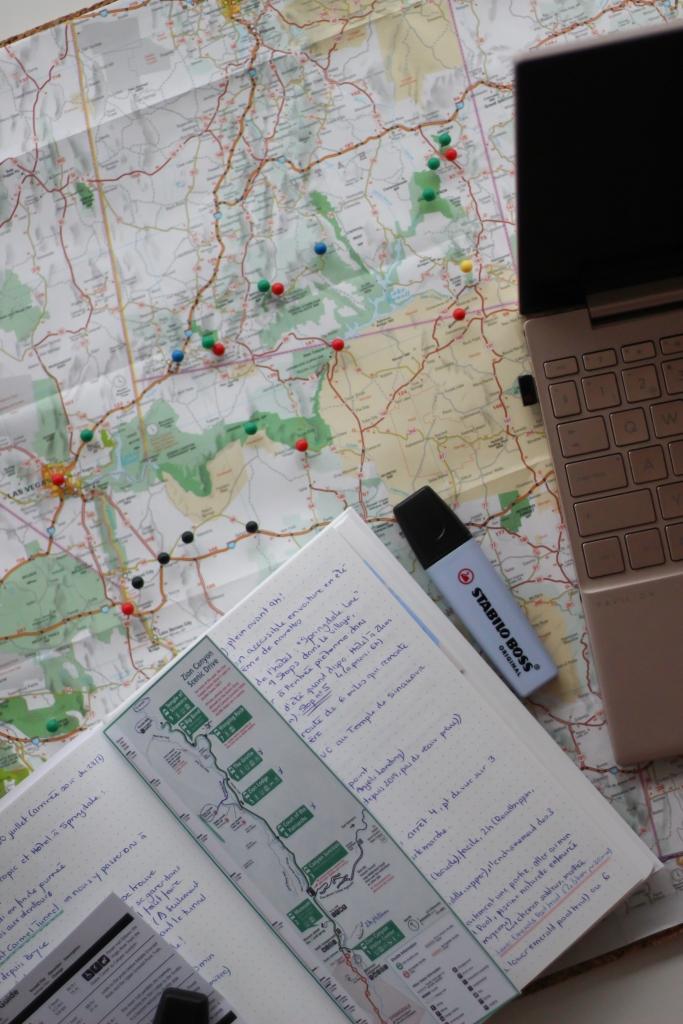
When planning a multi-day heritage tour through culturally rich regions like Rajasthan, Madhya Pradesh, or Gujarat, it is tempting to look at a map and simply connect the dots between the most famous monuments. However, building a successful road circuit requires a deep understanding of structural flow, geography, and hospitality logistics.
A poorly sequenced tour leaves travelers spending their best daylight hours trapped in transit, arriving at breathtaking forts just as the gates are closing. Here is how we approach the architecture of a seamless heritage circuit.
Chronological and Geographical Flow
A well-designed itinerary flows logically from one city to the next without backtracking. We study the exact driving distances between regional hubs to ensure that no single day is overwhelmed by excessive road time. If a route requires a longer transit day, we strategically anchor it between two lighter, more relaxed days filled with local sightseeing so the pace feels balanced.
Smart Hotel Sequencing
Securing the right inventory is only half the battle; knowing where the group stays each night dictates the rhythm of the entire trip. We arrange accommodations so that check-in times align perfectly with highway arrivals. By ensuring the group wraps up their journey at a well-positioned hotel on the final night, we eliminate early-morning checkout stress and make the transition back home completely seamless.
Balancing Sightseeing with Rest
Walking through sprawling palaces and historic forts is exhilarating but physically demanding. A flawed itinerary stacks heavy walking tours back-to-back. We carefully alternate high-energy monument visits with relaxed afternoons, scenic boat rides, or curated local shopping experiences.
The Ranu Overseas Difference: We don’t just book rooms and transport; we curate the entire daily experience. By mastering the hidden logistics of sequencing, we transform a hectic road trip into a beautifully paced cultural journey that unfolds effortlessly for our guests.